

Salmon & trout off Kewaunee and Algoma
Why there are Pacific salmon in Lake Michigan at all, how the Kewaunee River fish ladder keeps the fishery going, and how to plan a charter, pier or river trip from the two harbors without wasting a day.
Added in 2026. A new guide written for this archive from public sources (Wikipedia, the National Register of Historic Places, NOAA, the Wisconsin Historical Society and the attractions themselves). The original Schooner Coast site did not carry this page.
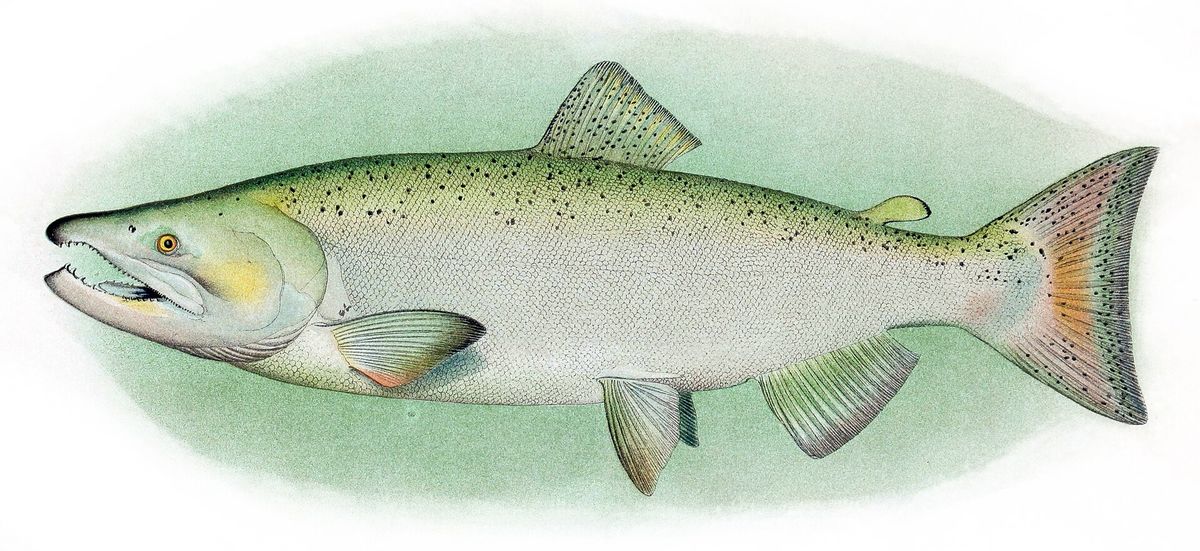
Ask anyone on the Algoma docks at five in the morning what they are after and the answer is "kings." Chinook salmon, the biggest of them, are the fish that fill the charter boats out of Kewaunee and Algoma every summer. They are also, strictly speaking, foreigners. None of them belongs here, and the reason they are here at all is the best way to understand how fishing on this coast works.
How Pacific salmon ended up in Lake Michigan
By the 1960s Lake Michigan had a problem with the alewife, a small invasive fish from the Atlantic. In the 1960s alewives made up something like 90 percent of the lake's fish. Fishery managers went looking for a predator. In 1966 large-scale stocking of coho salmon began, with about 660,000 young fish released into Lake Michigan, and in 1967 the Michigan Department of Natural Resources added chinook. Both fed on alewives and grew fast. Wisconsin began planting hundreds of thousands of coho a year along its shore, and a sport fishery grew up around them within a few years.
Sixty years on, the system still depends on hatcheries. Coho do not reproduce naturally in Wisconsin's Lake Michigan tributaries, and the salmon run is sustained largely by stocking. That makes the economics clear. A 2016 survey found Wisconsin anglers would pay, on average, about $140 for a trip to catch chinook, compared with $90 for lake trout; researchers estimated that if the chinook fishery collapsed and were replaced by native lake trout, its economic value would fall by about 80 percent.
The fish ladder on the Kewaunee River
Upstream from the Kewaunee harbor, in the river valley, the Wisconsin DNR's C.D. "Buzz" Besadny Anadromous Fish Facility is one of the places where the fishery is kept going. It opened in 1990, as the original Schooner Coast page says, and works on a simple trick. Salmon and trout return as adults to the stream where they were stocked. Each year the DNR stocks the Kewaunee with roughly 72,000 chinook, 132,000 coho, 102,000 steelhead and 54,000 brown trout. When the adults come back, a fish ladder steers them into collection ponds, crews take their eggs, and the fertilized eggs go to other state hatcheries to raise the next generation.
For visitors the facility has underwater viewing windows looking into the ladder, and in season you can watch big fish climb. The chinook run peaks in autumn; DNR crews collect eggs in October, and the department holds a free open house on a Saturday in early October with egg-taking demonstrations and tours (October 11 in 2025, October 10 in 2026). Steelhead come through in spring as well. Fish are not always in the ladder, so call before you drive out.
What you can catch, and when
The original site's list still holds: chinook and coho salmon, brown, rainbow (steelhead) and lake trout, plus walleye, smallmouth bass, musky and northern pike in the rivers and bays. For the salmon and trout, the year runs roughly like this, though weather and water temperature move it around every season.
- Spring. Brown trout and coho cruise close to shore in warmer water near harbor mouths. Steelhead run up the rivers.
- Summer. The fish follow cold water offshore and deeper, and charter trolling for chinook is at its best, usually from July into August.
- Late summer and fall. Mature chinook stage off the harbors and then push up the Kewaunee and Ahnapee rivers. Pier and river anglers get their chance.
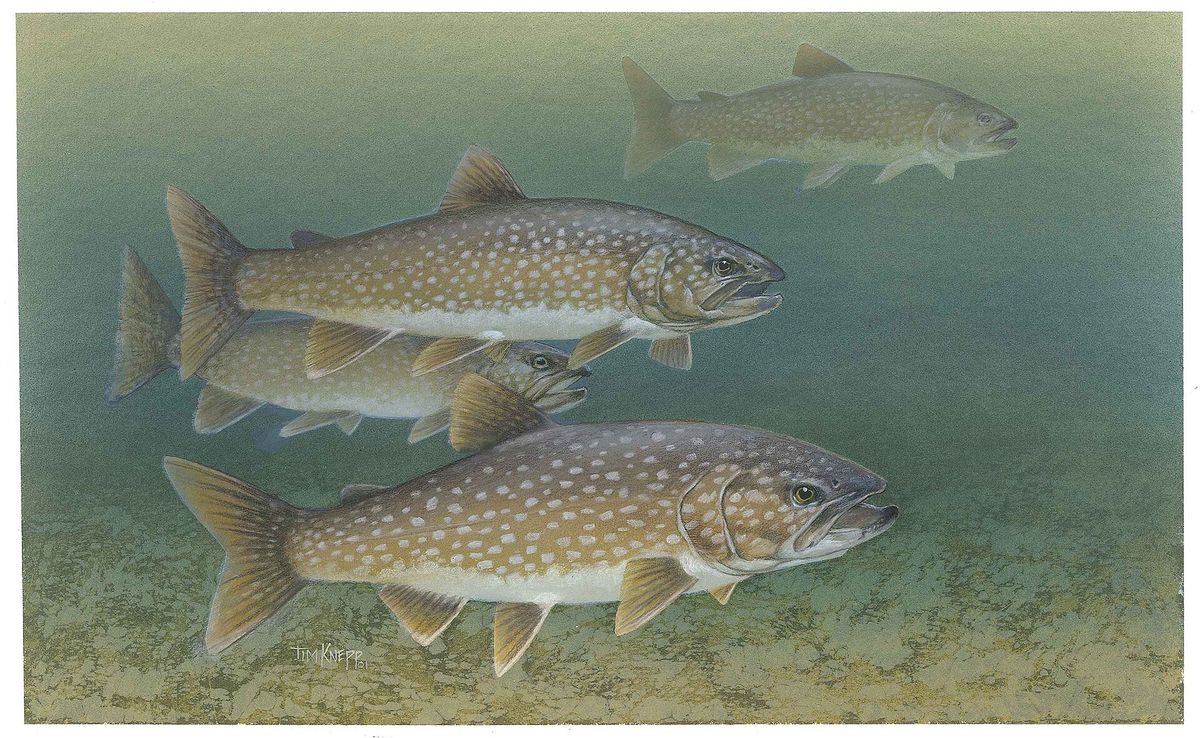
Lake trout, the native trout of the big lake, are taken on charters through the season. Wind is the variable that decides most days: a few days of offshore wind can roll warm surface water away and bring cold water, and fish, close to shore.
Booking a charter
A charter is the surest way to get onto salmon if you do not have your own boat and electronics. A few practical points:
- Trips usually leave very early. Ask whether the price is per boat or per person and how many anglers the boat takes.
- Everyone fishing needs their own Wisconsin fishing license and, for salmon and trout on the Great Lakes, a Great Lakes salmon and trout stamp. Buy them before the trip.
- Ask what happens to the catch. Captains usually clean fish at the dock; ask when you book.
- The 2015 charter list on the original site is a starting point, not a guarantee. When this archive checked in November 2026, about half the listed charters still had working websites, mostly out of Algoma and Kewaunee.
Fishing from piers and rivers
You do not need a boat. The original site suggested pausing "to fish on a pier," and the Kewaunee and Algoma piers are where locals cast in spring and fall. The same rules apply as for walking out to the lighthouses: stay off when waves are washing over, wear shoes with grip, and keep children close. In the rivers, read the DNR regulations for the stretch you plan to fish before you cast; river rules can differ from those on the lake.
Reading the old charter list
The 2015 list on the restored Sport Fishing page is lopsided in a way that tells you where the fleets were. It named two charters in Manitowoc, four in Two Rivers, four in Kewaunee, six in Algoma and eight in Sturgeon Bay. Six boats in a town of about three thousand people fits a place that once had the biggest commercial fishing fleet on the lake. The archived event pages show the same culture from another angle: the Kewaunee Trout Festival with its trout boil and fishing challenge, and the Kiwanis Fish Derby in Two Rivers with derbies for children and adults.
The other fish
Salmon get the attention, but the original site also listed walleye, smallmouth bass, musky and northern pike, which anglers mostly look for in the river mouths, the harbors and the sheltered bay side around Sturgeon Bay. They are a good fallback on days when the wind keeps small boats in, and they are what most shore anglers in the river parks named on the River Exploration page are after.
Bringing fish home
Lake Michigan salmon and trout are good eating, and the coast's smokehouses, including the family fish markets in Algoma and Two Rivers that the original site praised, have been smoking them for generations. Wisconsin publishes fish consumption advice for Lake Michigan species and sizes; read it if you plan to eat a lot of large fish.
The old fishing towns
Sport fishing is the latest chapter. Around 1897, when Ahnapee was renamed Algoma, its commercial fishing fleet was the largest on Lake Michigan, and the Art Dettman Fishing Shanty on the harbor, on the National Register since 1993, is still used for commercial fishing. In Two Rivers, the Frenchside neighborhood was the longest-running commercial fishing district on the Great Lakes. Both towns make a good place to end a day on the water: tie up, clean the fish and buy a pound of somebody else's smoked chubs for the drive home.
Sources: Wikipedia articles on chinook salmon, coho salmon, the Kewaunee River, Algoma and Art Dettman Fishing Shanty; Wisconsin DNR pages on the C.D. "Buzz" Besadny Anadromous Fish Facility and its fall open houses (2025 and 2026); original Schooner Coast pages on sport fishing and Kewaunee. Regulations, seasons and license rules change; the Wisconsin DNR is the authority (read November 2026).